|
|
 |  |  | Gong Performances – An Eternal Cultural Imprint
|  | The gong culture of the Central Highlands in Vietnam has been officially recognized by UNESCO as a masterpiece of intangible cultural and oral tradition. Besides Hue Court Music, the Central Highland gongs are the only intangible cultural heritage of Vietnam to be honored with the title of “world heritage.” The tradition of gongs is spread throughout the five provinces of the Central Highlands, including Kon Tum, Gia Lai, Dak Lak, Dak Nong, and Lam Dong and unique to a variety of Highland ethnic groups including the Bahnar, Stieng , Mnong, Koho, Romam, Ede, Jarai, and Ma. The gong is closely connected to the life of the Highland people; it is the voice of the spirit and human soul, expressing joy and sadness in life, in work and in their daily activities.
According to the Ma people, each gong crafted will contain a god and the more ancient the gong, the more powerful the god. Each gong is also a valuable asset, a symbol of power and wealth. The music of the Highlands gong show reveals skilled instrumentalists with each player beating the gong with precision and virtuoisity in a tradition passed among generations, not taught in any school. The Central Highland gong music not only features an artistic value but has long been asserted in the social life of the people as well as in the soul of the flowing rivers and verdant mountains. The gongs not only exist as an art, but represent a single voice of the human spirit and the religious nature of the people who play them.
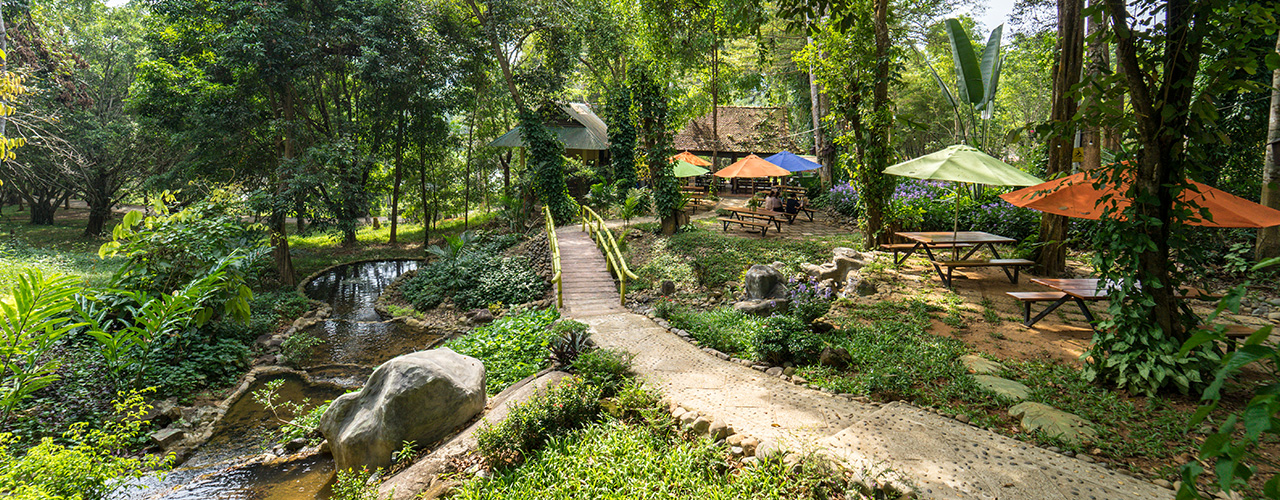
At Madagui, the most populous region for the Ma people, any festival will be filled with the deep sounds of gongs, beaten by the Ma. As the sound of gongs cut through the air, a circle of people dance around the fire and rice wine adds to the festivities creating a romantic and fanciful space within Madagui.
|
 |
|